
Natural History Centre 2025/26 School Year in Review
This past school year, we delivered a variety of educational programs for the Hornby Island Community School students focusing on bats, fossils, and seaweed ecology (including soil science and a review of the status of local bull kelp forests). Through hands-on learning both in the classroom and outdoors at local areas such as Grassy Point, Ford Cove, and Heron Rocks, students were able to explore and connect with scientists and local naturalists.
The past year was Year 2 of the NHC Seaweed School focused on exploring seaweed as soil builder (in a vegetable garden context) and building on the introduction of local seaweed diversity to the school population. As well, the Seaweed Diversity Citizen Science Monitoring project (modelled after the Big Seaweed Search program in the UK) was launched and is currently building a long-term data record in collaboration with the UBC Botany Department. This project is designed in collaboration with UBC professor Dr. Bridgette Clarkston to measure changes in the populations of local marine algae over time.
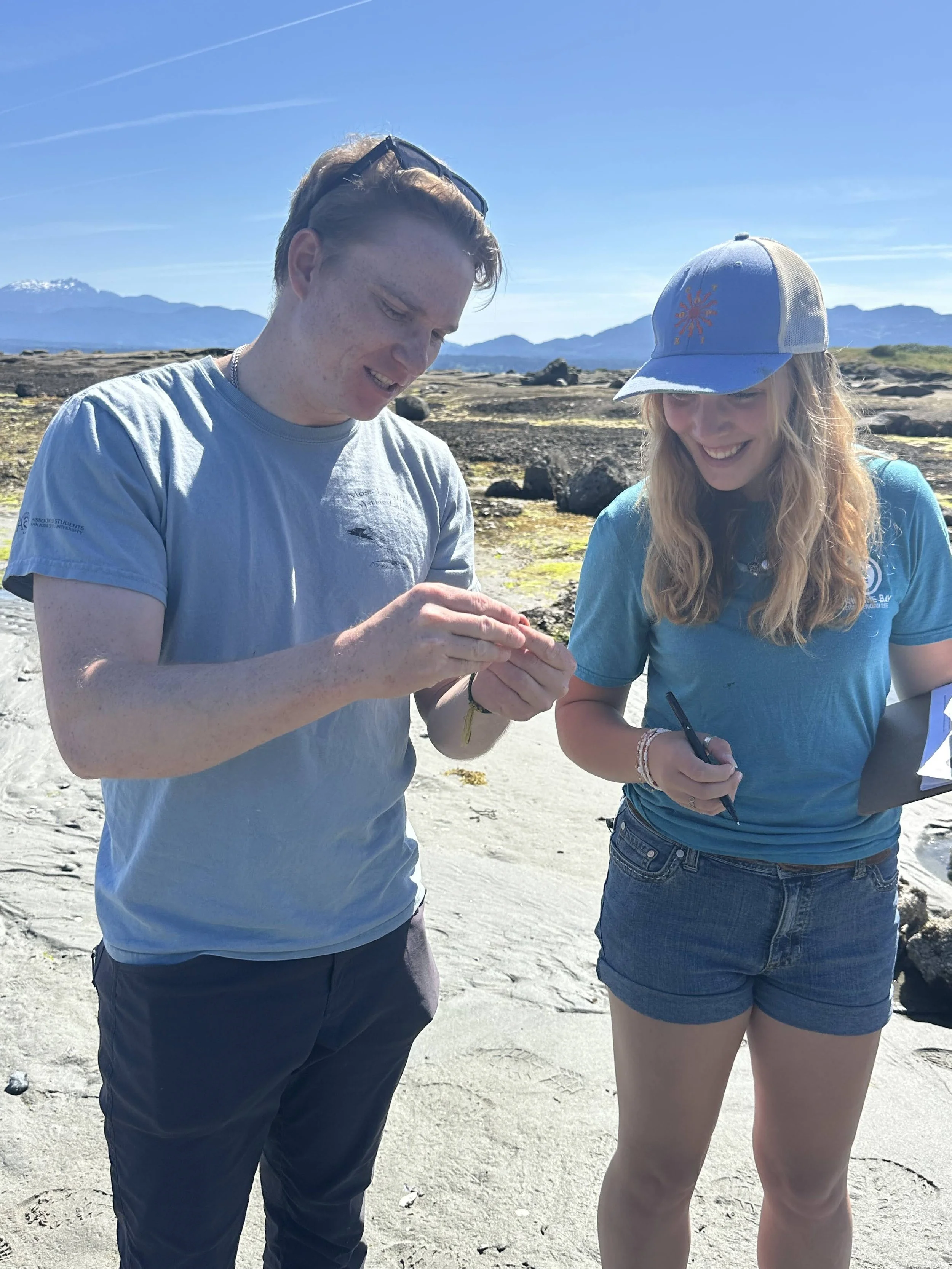
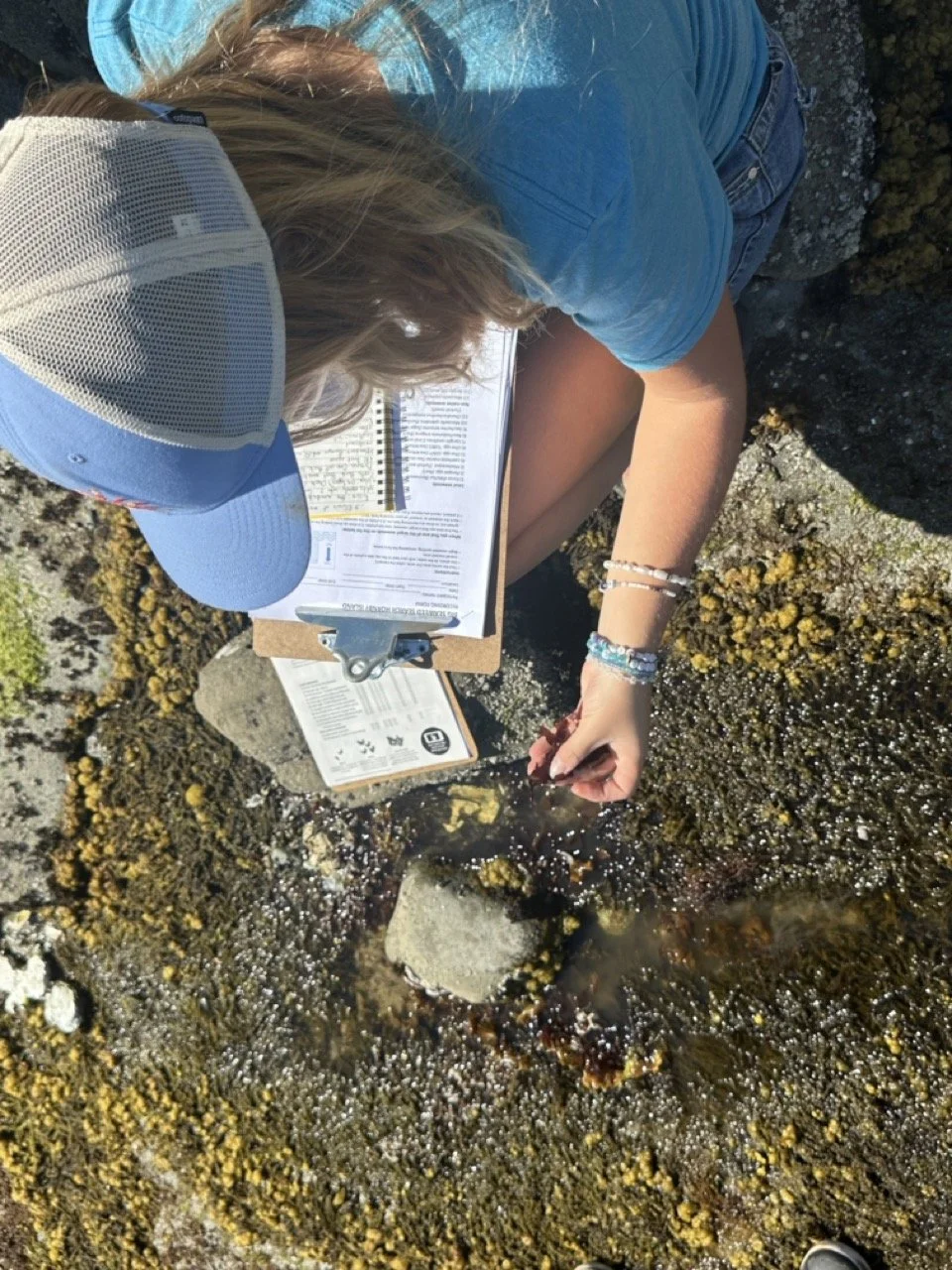
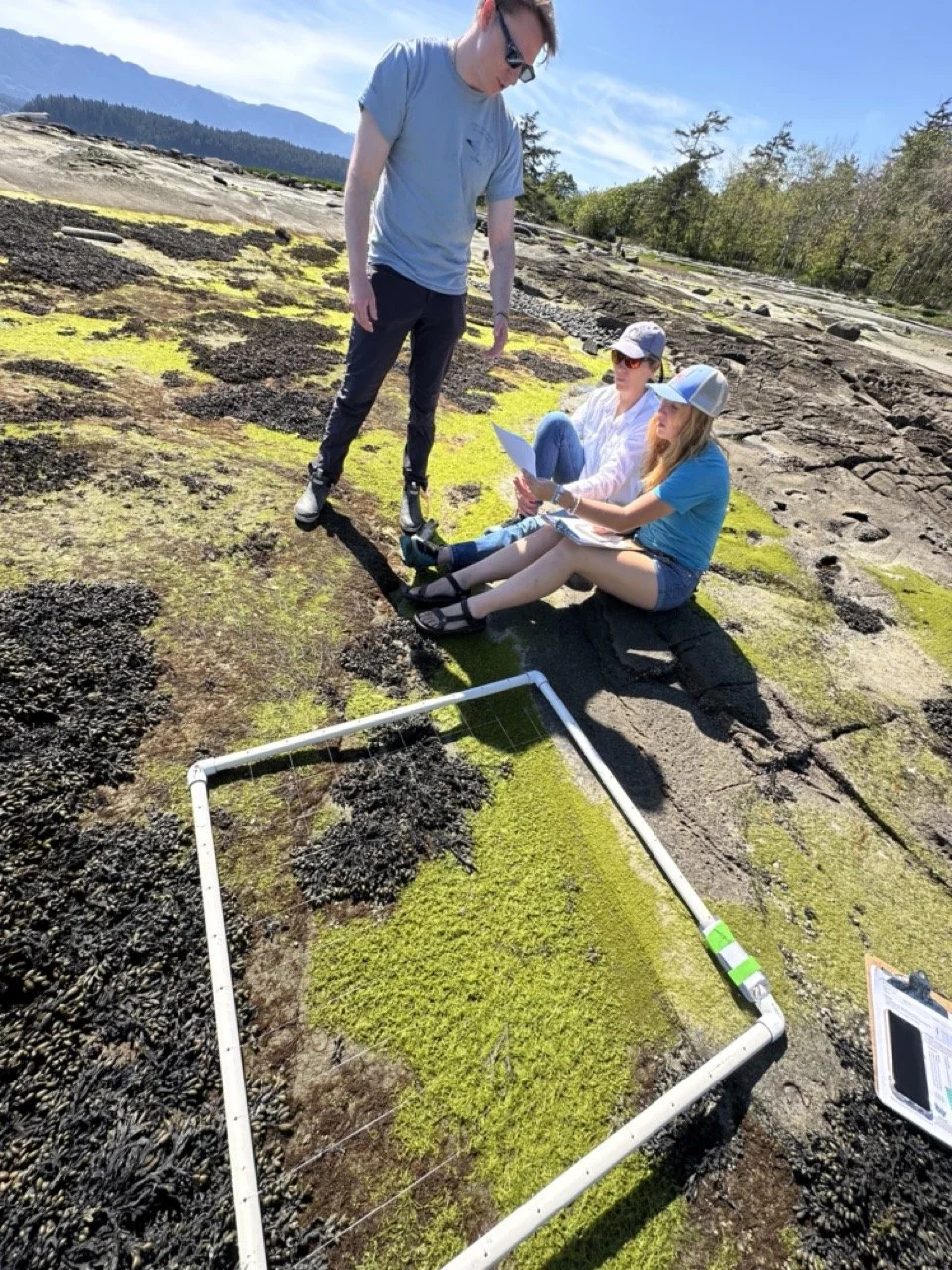
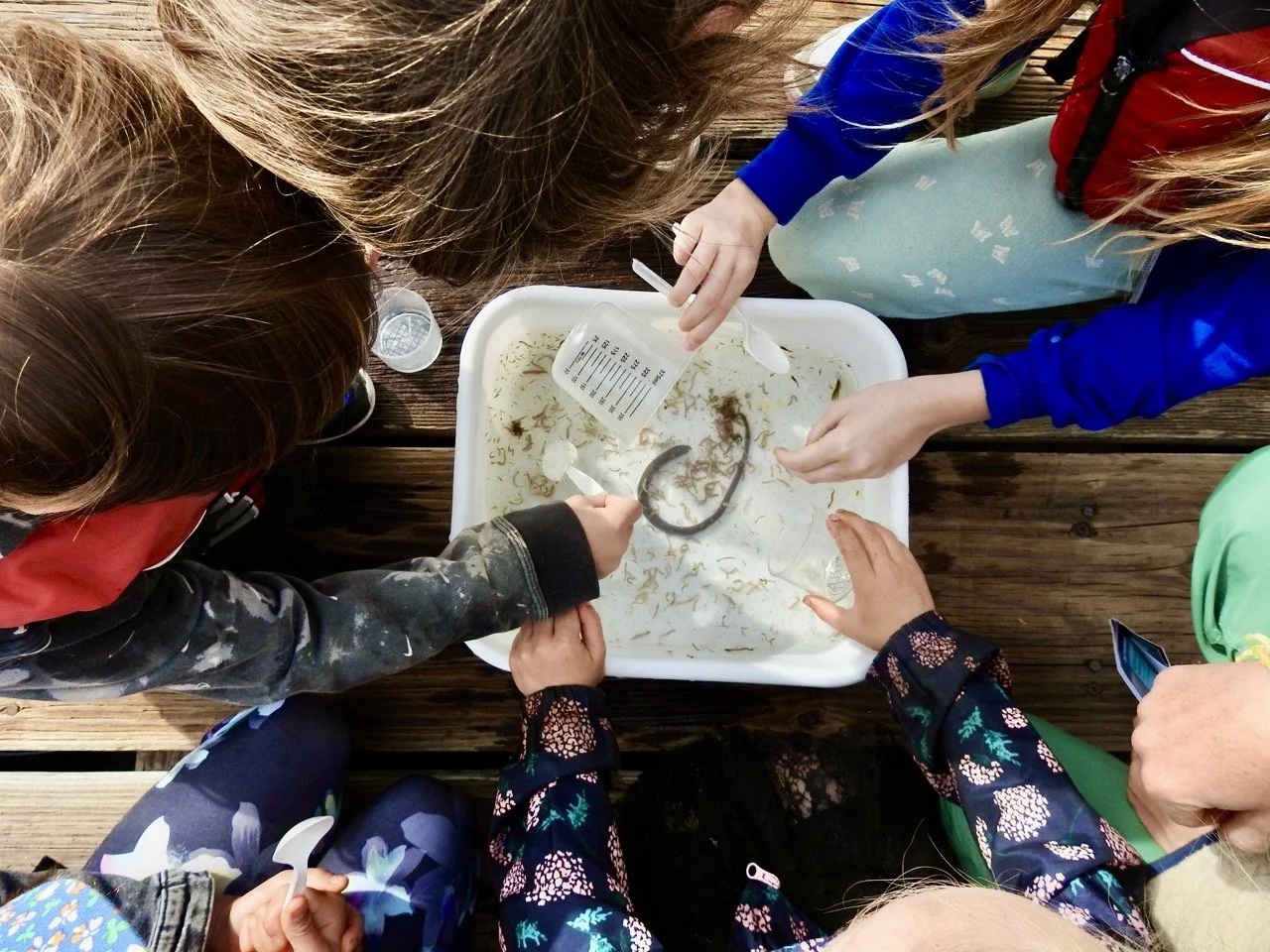
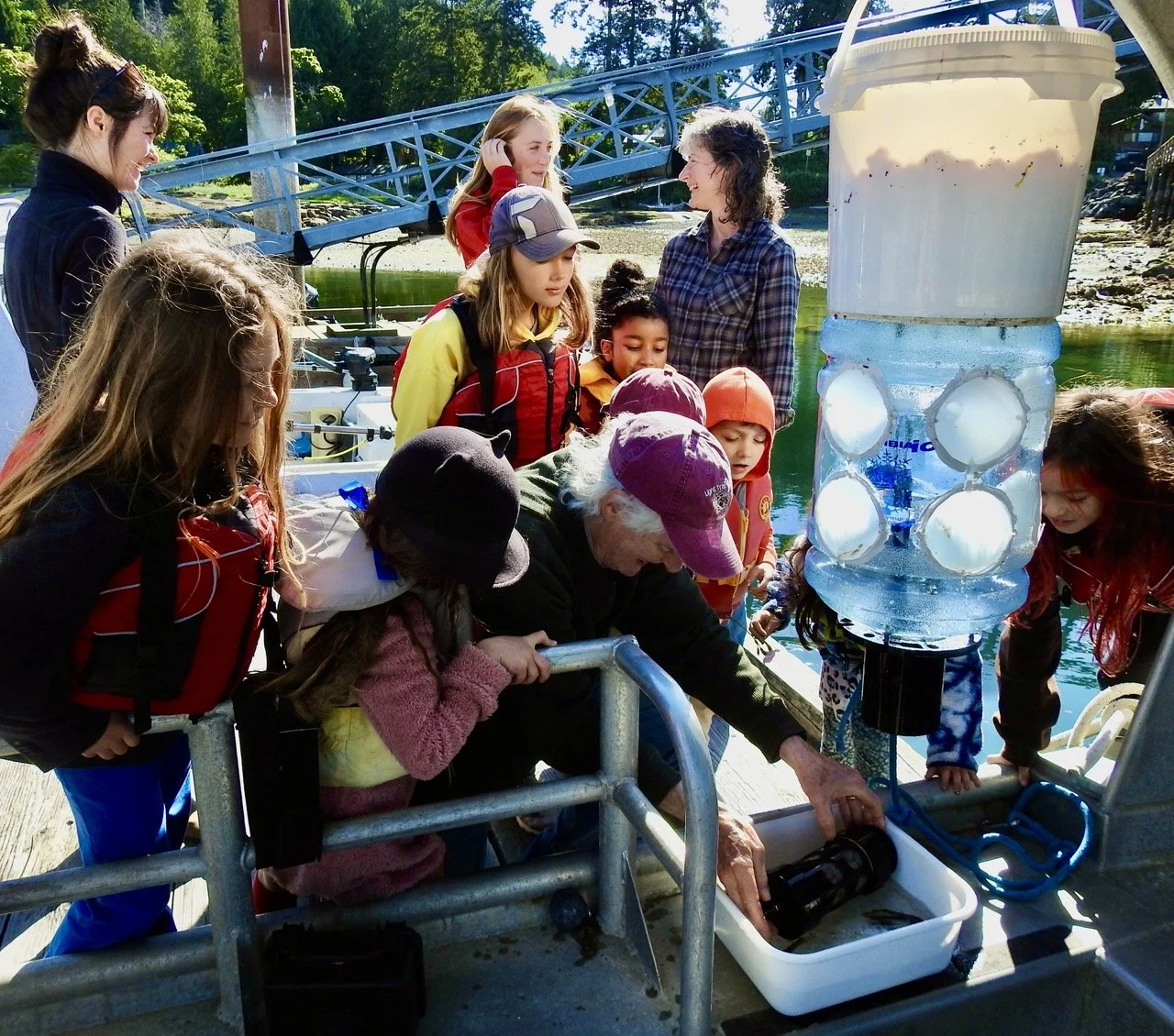
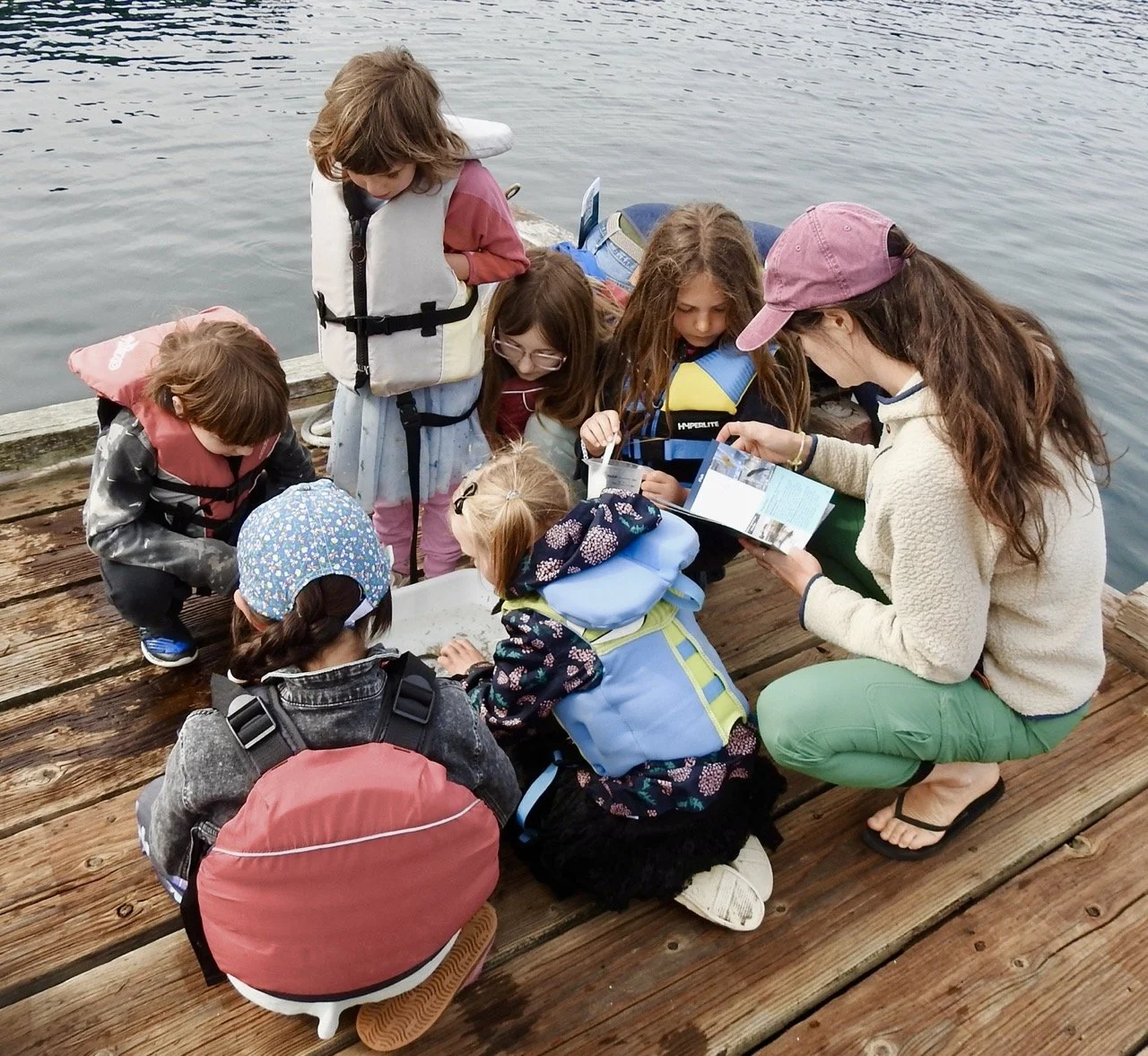
The Natural History Centre is also actively involved with a Sentinels of Change Light Trap Study (lead by Amanda Zielinski on behalf of the Hakai Institute). Citizen Science Monitoring projects like this provide the opportunity to learn scientific skills and connect with the coastal environment that surrounds us here on Hornby Island in a new way. Contact hornby.naturalhistory@gmail.com if you would like to participate.
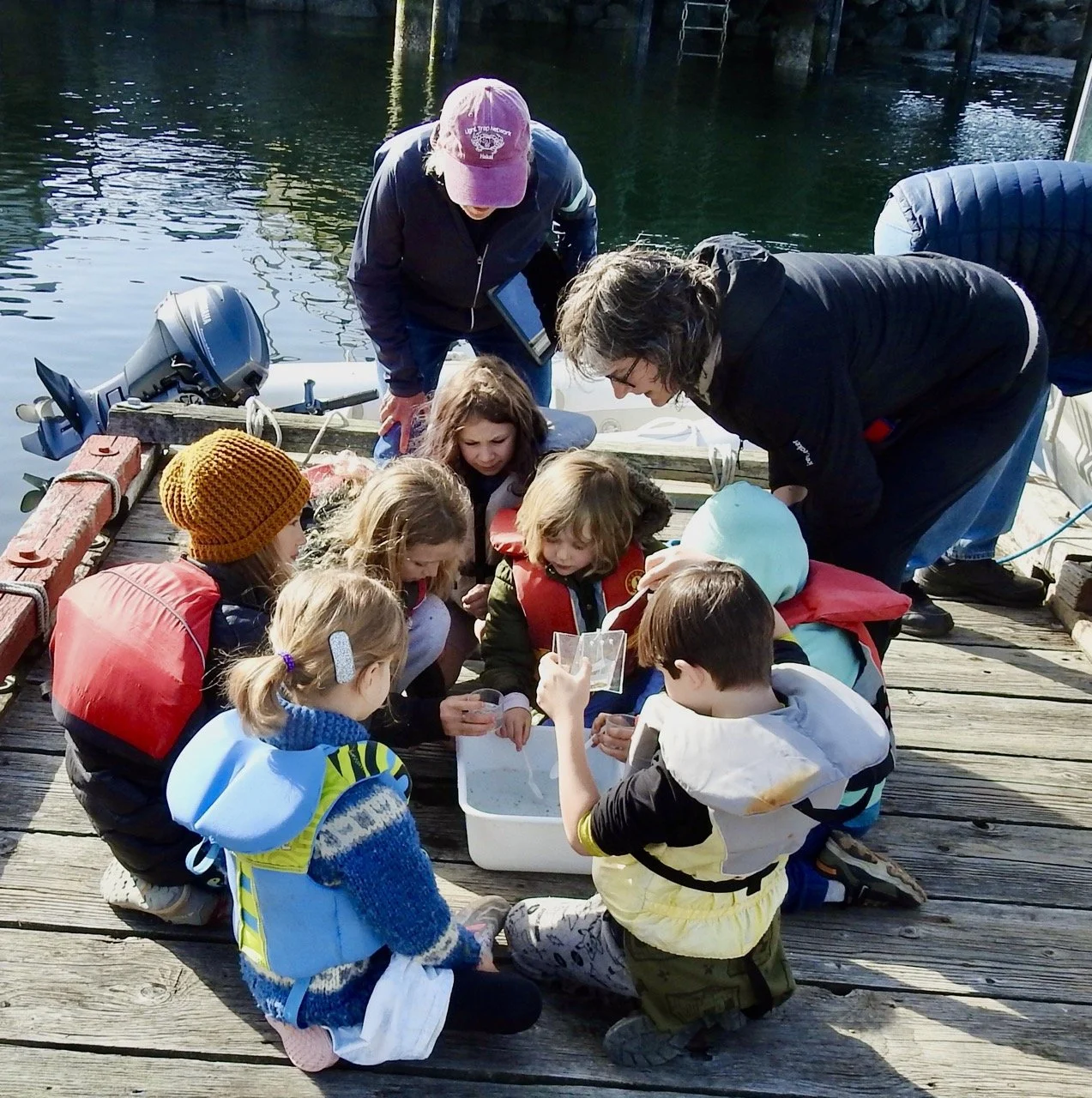
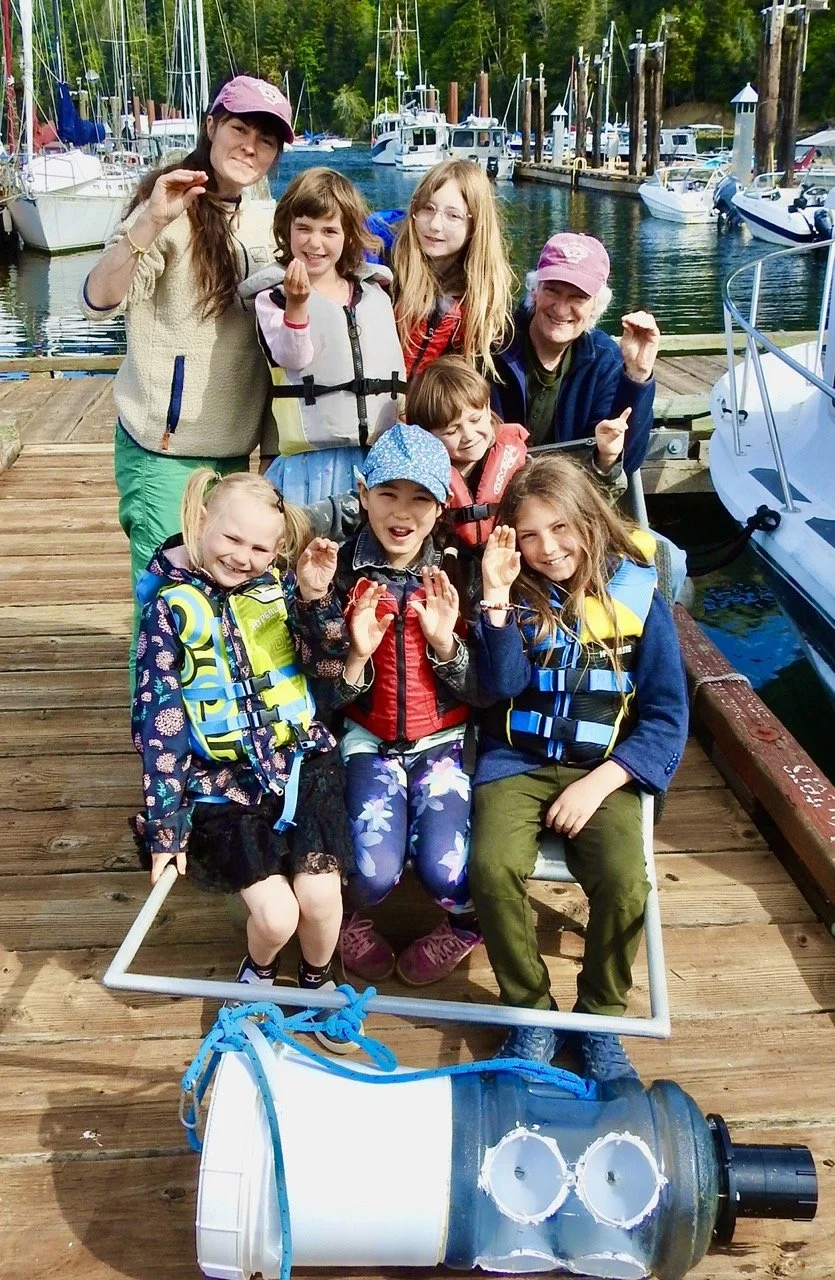
The leadership for NHC projects like these and others is often diverse including local naturalists and other stewards, Indigenous educators, researchers, retired professionals, social entrepreneurs, and university professors. All are committed to a ‘ground-up’ community-driven model of inquiry that serves the needs and curiosities of the entire community.
Also, be sure to check out the exciting speakers we have line up for our Summer Programs.
